From Ivory to Investment: Understanding Piano Valuations
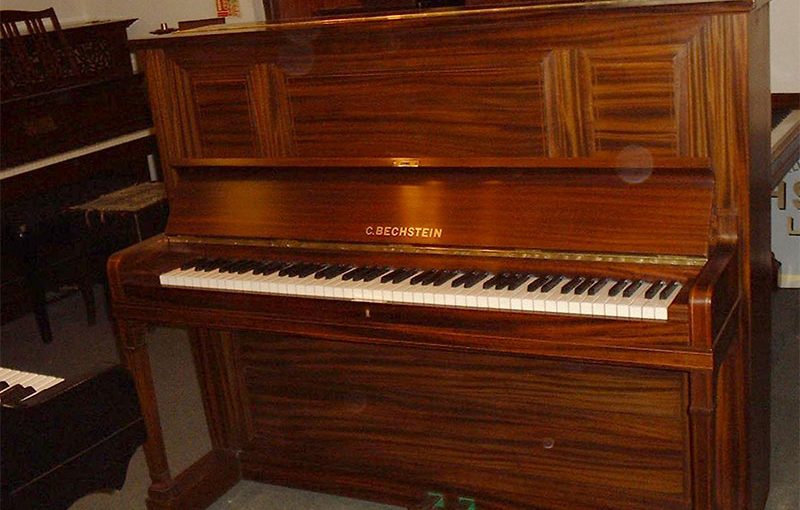
Unlocking the Value: The Intricacies of Piano Valuation
 Understanding the value of a piano is essential for owners, buyers, and sellers. Whether it’s for insurance purposes, resale, or estate planning, knowing the accurate value of a piano ensures informed decision-making and proper care. At Courtney Pianos of Oxford, we are committed to providing precise and comprehensive piano valuation to help you make the best decisions for your instrument.
The Importance of Piano Valuations
Piano valuations play a crucial role in various scenarios. For sellers, an accurate valuation helps in setting a fair asking price. Buyers benefit from knowing they are paying a reasonable price. For insurance purposes, valuations ensure that the piano is adequately covered. Understanding a piano’s value can also guide decisions on maintenance and restoration, preserving its worth over time.
Factors Affecting Piano Value
Several factors influence the value of a piano:
Age
The age of a piano can significantly affect its value. Antique pianos, especially those from renowned brands, can be highly valuable if well-maintained. However, age alone does not determine value; the condition and quality of construction are also critical.
Brand
The brand of a piano is a major determinant of its value. Prestigious brands like Steinway & Sons and Bechstein, are often valued higher due to their reputation for quality and craftsmanship.
Condition
A piano’s condition, including its exterior finish, internal components, and overall functionality, is crucial. Well-maintained pianos with minimal wear and tear are more valuable than those in poor condition.
Rarity
Limited edition or rare models can fetch higher prices. Pianos with unique features, historical significance, or those once owned by famous musicians are often more valuable.
Methods of Piano Valuation
There are various methods to determine a piano’s value, each offering different levels of accuracy and insight.
Professional Appraisals
Professional appraisers and piano technicians provide the most accurate valuations. They assess the piano’s physical condition, brand, age, and other factors to determine its value. At Courtney Pianos, we offer expert appraisal services, ensuring a precise valuation for your instrument.
Online Valuation Tools
Online tools can provide a rough estimate of a piano’s value. These tools use data from past sales and market trends. While convenient, they may not account for specific condition details, making them less accurate than professional appraisals.
History of Piano Valuations
Piano valuations have evolved over time. In the past, valuations were often based on subjective assessments by dealers and technicians. Today, a more systematic approach is used, incorporating detailed inspections and market analysis to provide accurate valuations.
The Appraisal Process
Getting a piano appraised involves several steps:
Scheduling an Appointment
Contact us at Courtney Pianos to schedule an appointment. Our professional appraisers will visit your location to inspect the piano or arrange for you to bring the piano to our workshop.
Inspection
Our appraiser will examine the piano’s exterior, internal components, and overall functionality. They will assess the brand, age, and any unique features.
Piano Valuation Report
After the inspection, we provide a detailed valuation report, outlining the factors considered and the estimated value. This report can be used for insurance, resale, or estate planning.
Preparing Your Piano for Valuation
Proper preparation can ensure an accurate valuation:
Cleaning
Thoroughly clean the piano, removing dust and grime. A well-maintained appearance can positively impact the valuation.
Tuning
Ensure the piano is tuned and in good playing condition. A well-tuned piano demonstrates its functionality and overall health.
Types of Piano Valuations
Different types of valuations serve various purposes:
Insurance Valuations
These piano valuations determine the replacement value of the piano for insurance purposes, ensuring adequate coverage in case of damage or loss.
Estate Valuations
For estate planning or probate, these valuations help establish the value of the piano as part of the overall estate.
Resale Valuations
These valuations assist sellers in setting a fair asking price, ensuring they receive a reasonable return on their investment.
Interpreting a Piano Valuation Report
Understanding a piano valuation report involves looking at several factors:
Condition
The report will detail the piano’s condition, including any wear and tear, and how it affects the value.
Market Trends
Valuation reports often include information on current market trends, helping you understand how your piano’s value compares to similar models.
Suggested Improvements
The report may suggest maintenance or repairs to increase the piano’s value.
Increasing the Value of Your Piano
Regular maintenance and restoration can enhance your piano’s value:
Regular Tuning and Servicing
Keeping your piano in good playing condition through regular tuning and servicing can preserve its value over time. At Courtney Pianos, we offer comprehensive maintenance services to ensure your piano remains in peak condition.
Professional Restoration
Restoring an antique or high-quality piano can significantly increase its value. Our skilled technicians at Courtney Pianos are experts in piano restoration, bringing back the original beauty and sound quality of your instrument.
Piano valuations are essential for making informed decisions, whether you’re buying, selling, insuring, or maintaining your instrument. At Courtney Pianos, we provide expert valuation services, ensuring you have accurate and comprehensive information about your piano’s worth. Contact us today to schedule a valuation and discover the true value of your piano.
For professional piano valuations, restorations, and maintenance, trust the experts at Courtney Pianos. Visit our showroom or contact us to schedule an appointment and ensure your piano receives the care and attention it deserves.
