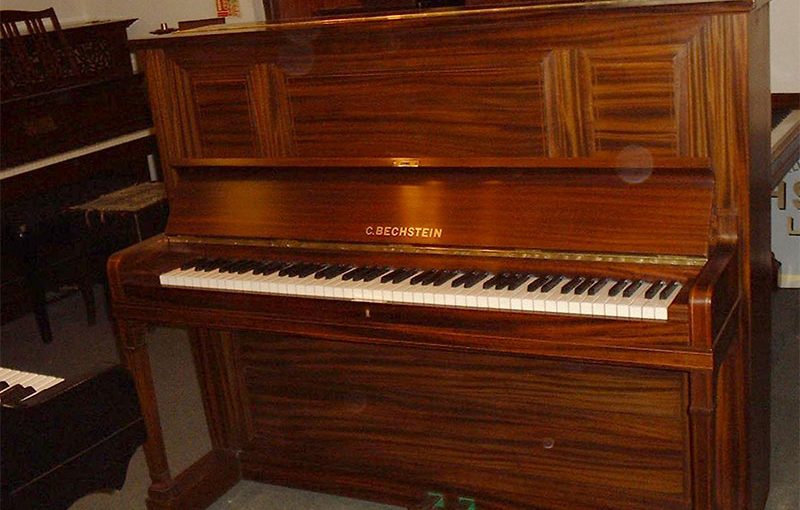
A Collector’s Guide to Antique and Vintage Pianos

There is something undeniably captivating about antique and vintage pianos. For collectors, musicians, and restoration enthusiasts, these instruments are more than just tools for making music—they are living pieces of history, each with a unique story to tell. In 2025, interest in antique pianos, vintage pianos, and historical pianos continues to rise, driven by a growing appreciation for craftsmanship, heritage, and the warm tonal qualities that modern instruments often struggle to replicate.

Whether you are a seasoned collector or a musician considering your first vintage purchase, understanding the nuances of these instruments can help you make informed decisions. In this guide, we will explore the history, identification tips, restoration considerations, market trends, and future outlook for antique and vintage pianos, offering practical advice and expert insights along the way.

Antique pianos represent a unique blend of art, history, and craftsmanship that modern manufacturing simply cannot replicate.

— Michael Linton

Understanding the History of Antique and Vintage Pianos

Antique pianos typically refer to instruments over 100 years old, while vintage pianos are often defined as those between 40 and 100 years old. The distinction matters because it impacts the instrument’s construction materials, design elements, and potential value. Historical pianos often reflect the trends and technological advancements of their time—from ornate Victorian-era uprights to sleek mid-century grands.

During the late 19th and early 20th centuries, piano-making was an artisanal craft. Brands like Steinway & Sons, Bechstein, and Blüthner became synonymous with quality. These manufacturers used premium woods, hand-carved details, and meticulous tuning techniques that have stood the test of time.

Let’s look at some key historical milestones:

Historical piano development milestones
Period Notable Features Influential Brands
Late 1800s Ornate cabinets, ivory keys Steinway, Bechstein
Early 1900s Improved action, richer tone Blüthner, Mason & Hamlin
Mid-1900s Streamlined design, synthetic materials Yamaha, Baldwin

As shown in the table, each era brought innovations that shaped the piano’s evolution, influencing both its aesthetic and musical qualities.

How to Identify Authentic Antique and Vintage Pianos

For collectors and buyers, identifying authenticity is crucial. Start with the brand name and serial number, which can often be found near the tuning pins or inside the lid. Cross-reference this information with manufacturer records to determine the production year.

Inspect craftsmanship details—hand-carved woodwork, original key materials, and internal components like the soundboard and action. Wear patterns can also offer clues; genuine antique pianos will show signs of age consistent with decades of use.

Pay attention to common pitfalls. Some refurbished modern pianos may be marketed as ‘antique’ without meeting historical criteria. Always verify provenance and, when possible, seek an appraisal from a reputable expert.

The serial number is the piano’s fingerprint—it tells you when and where it was born, and sometimes even its journey through history.

— Sarah Whitmore

Restoration Considerations and Best Practices

Restoring an antique or vintage piano is both an art and a science. The goal is to preserve the instrument’s original character while making it playable for modern musicians. This often involves repairing or replacing worn parts, refinishing wood surfaces, and carefully tuning the piano to avoid stress on aged components.

Professional restoration can be costly, but it is often worth the investment for historically significant instruments. In 2025, restoration techniques benefit from advanced materials and technology, allowing for more precise repairs without compromising authenticity.

Common restoration steps include:

  • Cleaning and repairing the soundboard
  • Replacing worn hammers and strings
  • Refinishing cabinetry with period-accurate techniques
  • Adjusting action for optimal responsiveness

By understanding these processes, collectors can better assess whether a piano is worth restoring and how much to budget for the work.

Market Trends for Collectors in 2025

The market for antique and vintage pianos in 2025 is shaped by several factors: increased interest in sustainable, long-lasting musical instruments; rising appreciation for historical craftsmanship; and the influence of online marketplaces.

High-quality grand pianos from renowned brands remain in demand, particularly those with documented histories. Upright pianos, while more affordable, are also seeing renewed interest among younger musicians who value their aesthetic appeal.

Online sales have expanded the reach of sellers, but they also introduce risks—such as misrepresented conditions or inflated pricing. As a collector, it is wise to combine online research with in-person inspections when possible.

Advanced Considerations: Preserving Historical Value

Preservation is not just about keeping a piano functional—it is about safeguarding its historical and cultural significance. This means using restoration methods that respect original materials and avoiding over-modernisation.

Collectors often face the choice between full restoration and conservation. Full restoration prioritises playability, while conservation focuses on maintaining originality, even if that means the piano is less suitable for regular performance.

Museums and cultural institutions often serve as models for best practices, balancing historical accuracy with accessibility.

Resources and Strategies for Buyers

For those looking to purchase an antique or vintage piano, preparation is key. Start by researching reputable dealers and restoration experts. Join collector communities—both online and offline—to gain insights from experienced owners.

Resources to consider:

  • Manufacturer archives for historical data
  • Auction house listings for rare finds
  • Piano technician associations for vetted restorers

Networking can lead to valuable opportunities, including private sales and restoration partnerships.

Recommended resources for piano collectors
Resource Purpose Benefit
Manufacturer archives Verify authenticity Accurate dating
Collector forums Community knowledge Insider tips
Restoration experts Preserve value Professional work

Conclusion

Antique and vintage pianos are more than musical instruments—they are cultural artefacts that embody centuries of artistry, innovation, and human passion for music. In 2025, the collector’s journey involves not just finding and acquiring these treasures, but also understanding their history, preserving their integrity, and sharing their beauty with future generations.

By learning to identify authentic pieces, investing wisely in restoration, and staying informed about market trends, you can build a collection that brings joy and inspiration for years to come. Whether your interest is driven by performance, aesthetics, or historical significance, the world of antique and vintage pianos offers endless opportunities to connect with music’s rich heritage.

You may also like:

Choosing the Perfect Grand Piano for Your Space

There is something undeniably captivating about a grand piano. It is more than just a musical instrument; it is a statement piece, a work of art, and often the centerpiece of a room. For piano enthusiasts, musicians, or those seeking piano restoration services, the journey of choosing a grand piano is both exciting and deeply personal. But with so many options, styles, and sizes available, knowing how to choose the perfect grand piano for your space can feel overwhelming.

In this guide, we will walk through every consideration — from the dimensions of your room to the tonal qualities you desire — so you can make a confident, informed choice. Whether you are looking for the best grand piano for professional performance or a restored masterpiece for your living space, we will cover practical tips, expert advice, and industry trends to help you find your perfect match.

A grand piano should not only fit your space physically but should also complement the acoustics and aesthetics of your environment.

— Steinway Artist

Understanding Grand Piano Sizes and Space Requirements

Before falling in love with a particular model, it is essential to consider the size of your space. Grand pianos come in several categories, typically ranging from 4’5″ to over 9’ in length. The size directly affects both the tonal quality and the visual impact in your room.

Common Grand Piano Sizes

The choice of size should balance your space constraints with your musical goals. A baby grand is ideal for smaller areas, while a concert grand offers unmatched resonance but requires significant room.

The acoustics of your space are equally important. High ceilings, hardwood floors, and open layouts can enhance sound, while small, carpeted rooms may dampen resonance.

Always measure your space, including doorways and staircases, before committing to a grand piano purchase.

— Yamaha Piano Specialist

Evaluating Tone and Touch

The best grand piano for you is one that feels and sounds right under your fingers. Tone refers to the quality of sound — bright, mellow, warm — while touch describes the responsiveness of the keys.

When testing grand pianos, play a variety of pieces: soft passages to hear the subtleties, and powerful chords to feel the full resonance. Consider how the piano’s voice fits your preferred genres.

Factors Influencing Tone

  • Soundboard material: Spruce is common for its resonance.
  • String length: Longer strings generally produce richer tones.
  • Action mechanism: Impacts responsiveness and dynamic control.

Trying multiple brands and models can help you discover your preferences. Renowned brands like Steinway, Yamaha, and Bösendorfer each have distinctive tonal signatures.

New vs. Restored Grand Pianos

One major decision is whether to buy new or invest in a restored grand piano. Restoration can breathe new life into historic instruments, preserving craftsmanship and delivering exceptional sound.

Pros and Cons

  • New Pianos: Warranty, modern manufacturing precision, consistent quality.
  • Restored Pianos: Unique character, potential cost savings, historical value.

If considering restoration, work with reputable specialists who use authentic parts and techniques. A well-restored piano can rival or surpass a new one in beauty and performance.

Matching Style and Aesthetics to Your Space

A grand piano is also a visual focal point. The finish, shape, and design should harmonise with your interior style.

Finish Options

  • Glossy Black: Timeless, formal appeal.
  • Mahogany/Walnut: Warm, classic elegance.
  • White/Ivory: Modern, striking centrepiece.

Consider how the lighting in your room interacts with the finish. Natural light can highlight wood grain beautifully, while darker finishes may suit dim, intimate spaces.

Budget and Long-Term Investment

Grand pianos vary widely in price, from entry-level baby grands around $7,000 to concert grands exceeding $150,000. Factor in maintenance, tuning (2-4 times per year), and potential restoration costs.

Grand Piano Cost and Maintenance Overview
Piano Type Average Price Range Annual Maintenance
Baby Grand £7,000 – £20,000 £300 – £500
Medium Grand £15,000 – £50,000 £400 – £600
Concert Grand £80,000+ £500 – £800

As shown above, owning a grand piano is both a musical and financial commitment. Think of it as a long-term investment in artistry and enjoyment.

Industry Trends and Innovations

Modern grand pianos are incorporating advanced technology:

  • Silent systems: Allow practice with headphones.
  • Hybrid pianos: Blend acoustic feel with digital versatility.
  • Climate control systems: Protect wood and tuning stability.

These features can make ownership more practical, especially in urban environments or for multi-use spaces.

Common Mistakes to Avoid

  1. Ignoring room acoustics: Poor sound environment can diminish enjoyment.
  2. Underestimating size: Ensure adequate space for both piano and player.
  3. Skipping professional inspection: Especially with used or restored models.

By avoiding these pitfalls, you set yourself up for years of musical satisfaction.

Conclusion

Choosing the perfect grand piano for your space is a blend of artistry and practicality. Measure your room, listen carefully to tonal qualities, and consider both the visual and acoustic impact. Whether you invest in a brand-new model or a lovingly restored instrument, the right grand piano will inspire and elevate your musical journey.

Take the time to explore, test, and consult with experts. Your perfect piano is out there, waiting to fill your space with music and elegance.

You may also like:

Exploring Piano Culture: Composers and Their Instruments

Piano culture is more than a niche interest for musicians — it is a window into centuries of artistry, craftsmanship, and human emotion. From the regal salons of 18th-century Europe to today’s concert halls, the piano has remained a centrepiece of musical innovation. For piano enthusiasts, potential buyers, and restoration aficionados, understanding the legacy of famous piano composers and their instruments offers not just historical insight but also a deeper appreciation of the piano’s enduring charm. This article will explore the evolution of piano history, highlight legendary composers, and examine the unique instruments that brought their music to life.

The Origins of Piano Culture

The piano as we know it emerged in the early 18th century, designed by Bartolomeo Cristofori in Italy. His invention combined the expressive capabilities of the harpsichord with the dynamic range of the clavichord, creating an instrument that could convey both delicate nuance and dramatic intensity.

The piano’s invention marked a turning point in music history, offering composers a new palette of expressive possibilities.

— Arthur Loesser

By the 19th century, piano culture had blossomed, with instruments becoming a fixture in middle-class homes. This democratisation of music fueled the careers of many famous piano composers.

Legendary Composers and Their Signature Instruments

Ludwig van Beethoven

Beethoven’s journey with the piano is a testament to the instrument’s emotional range. Early in his career, he played on Viennese fortepianos, which had a lighter touch and distinct tonal character. As his compositions grew more ambitious, he required sturdier instruments, eventually favouring English pianos for their robust sound.

Beethoven pushed the piano beyond its perceived limits, demanding more power, range, and emotional depth.

— András Schiff

Frédéric Chopin

Chopin’s music is synonymous with poetic lyricism, and his preferred instruments — Pleyel pianos — reflected that. Their warm tone and responsive touch suited his intricate, expressive style perfectly.

Franz Liszt

Liszt was both a virtuoso and a showman, often performing on Bösendorfer grands. These instruments could withstand his intense playing style, projecting effortlessly in large venues.

The Role of Piano Makers in Shaping Music History

Behind every famous composer stands a piano maker whose craftsmanship shaped the sound of their works. Steinway & Sons, Yamaha, Bösendorfer, and Fazioli have each contributed to the evolution of piano culture.

Renowned Piano Makers and Their Legacy
Maker Founded Notable Artists
Steinway & Sons 1853 Lang Lang, Horowitz
Bösendorfer 1828 Liszt, Oscar Peterson
Fazioli 1981 Angela Hewitt

These makers influence not only the mechanics of piano performance but also the aesthetics of music itself.

Piano Restoration: Preserving Cultural Heritage

For collectors and restoration experts, maintaining historical instruments is both an art and a science. Restoring a century-old Steinway or Pleyel involves sourcing authentic materials, understanding historical construction methods, and preserving original tonal qualities.

Steps in Piano Restoration

  1. Assessment: Determine the instrument’s condition and historical value.
  2. Material Sourcing: Locate period-accurate wood, strings, and felt.
  3. Craftsmanship: Employ skilled technicians familiar with antique pianos.
  4. Tonal Calibration: Restore original sound characteristics.

A well-restored piano not only revives its sound but also safeguards a piece of musical history for future generations.

How Piano Culture Shapes Modern Music

Contemporary musicians continue to draw inspiration from historical piano culture. Jazz pianists adapt classical techniques to improvisation, while pop artists integrate acoustic piano sounds into digital productions.

The piano is a universe in itself — no matter how much you explore, there is always more to discover.

— Herbie Hancock

Piano Across Musical Genres
Genre Piano Role Example Artist
Classical Primary instrument Martha Argerich
Jazz Improvisation and harmony Herbie Hancock
Pop Melodic foundation Alicia Keys

The integration of piano into diverse genres underscores its versatility and timeless appeal.

Future Trends in Piano Culture

Advances in digital technology have led to hybrid instruments that blend acoustic tradition with electronic versatility. Smart pianos with built-in learning tools are making piano education more accessible, while high-end digital grands replicate the feel and sound of their acoustic counterparts.

Sustainability in Piano Making

Modern piano makers are also exploring sustainable materials, ensuring that piano culture evolves responsibly in an environmentally conscious world.

Choosing the Right Piano for Your Needs

For buyers, selecting the right piano involves balancing budget, space, and intended use. Acoustic grands offer unmatched richness, while uprights are more practical for smaller spaces. Digital pianos can be ideal for beginners or those needing portability.

Comparing Piano Types
Type Pros Cons
Grand Rich tone, dynamic range High cost, large space
Upright Compact, affordable Less tonal depth
Digital Portable, versatile Lacks acoustic resonance

Understanding your priorities will help you make a choice that aligns with your musical goals.

Conclusion

Piano culture is a living, breathing tradition that bridges past and present. From Beethoven’s fortepianos to modern digital hybrids, each instrument tells a story of craftsmanship and creativity. Famous piano composers have shaped our understanding of music, while piano makers and restorers ensure that the legacy endures. Whether you are a performer, collector, or casual enthusiast, immersing yourself in piano history enriches your connection to music.

Exploring piano culture is not just about appreciating the music; it’s about honouring the artistry and dedication that have kept this instrument at the heart of human expression for over 300 years.

You may also like:

Bechstein Upright Pianos

Bechstein Upright Pianos: A Comprehensive Guide

In the world of upright pianos, few names command as much respect and admiration as Bechstein. For over 160 years, this German piano manufacturer has been crafting instruments that blend exquisite craftsmanship with sublime sound quality. Whether you’re a seasoned pianist, a music enthusiast, or simply curious about these remarkable instruments, this guide will delve into the world of Bechstein upright pianos.

Bechstein uprights are renowned for their rich, warm tone and responsive touch. They offer a level of musical expression typically associated with grand pianos but in a more compact form suitable for homes, studios, and smaller performance venues. From their storied history to their cutting-edge modern designs, Bechstein upright pianos continue to set the standard for excellence in the piano industry.

In this comprehensive article, we’ll explore the heritage of Bechstein, examine the unique characteristics that set their upright pianos apart, showcase popular models, and provide insights into caring for these magnificent instruments. Whether you’re considering purchasing a Bechstein upright or simply want to expand your knowledge of fine pianos, you’ll find valuable information in the following sections.

The Rich Heritage of Bechstein Pianos

The story of Bechstein pianos begins in 1853 when Carl Bechstein, a young and ambitious German piano maker, founded his company in Berlin. Bechstein’s vision was to create pianos that could withstand the powerful playing of virtuosos like Franz Liszt, who was known for breaking piano strings during his intense performances.

Early Innovations and Royal Recognition

Carl Bechstein’s innovative approach to piano construction quickly gained attention. His pianos featured a unique cast-iron frame and a novel action mechanism that enhanced durability and tonal quality. By the 1870s, Bechstein pianos had earned royal warrants from several European courts, including Queen Victoria of England.

The Golden Age and Global Expansion

The late 19th and early 20th centuries marked a golden age for Bechstein. The company expanded internationally, opening showrooms in London, Paris, and St. Petersburg. Bechstein pianos became the instruments of choice for many renowned composers and performers, including Claude Debussy, Maurice Ravel, and Sergei Rachmaninoff.

Challenges and Resilience

The two World Wars presented significant challenges for Bechstein. The company’s Berlin factory was destroyed during World War II, and the post-war division of Germany complicated operations. However, Bechstein’s reputation for quality helped the company rebuild and regain its position in the piano market.

Modern Era and Continued Excellence

Today, C. Bechstein Pianoforte AG continues to produce some of the world’s finest pianos in Seifhennersdorf, Saxony. While maintaining their traditional craftsmanship, Bechstein has embraced modern technology to enhance the piano design and manufacturing processes. The company’s commitment to excellence remains unchanged, ensuring that each Bechstein piano, including their renowned uprights, meets the highest standards of musical performance and build quality.

This rich history not only demonstrates Bechstein’s longevity but also highlights the company’s consistent focus on innovation and quality—factors that continue to influence the design and production of their upright pianos today.

Characteristics of Bechstein Upright Pianos

Bechstein upright pianos are renowned for their exceptional quality and distinctive features. Understanding these characteristics can help pianists and music enthusiasts appreciate what sets these instruments apart.

Sound Quality

1. Tonal Richness: Bechstein uprights are celebrated for their warm, rich tone. The bass is deep and resonant, while the treble is clear and singing.

2. Dynamic Range: These pianos offer an impressive dynamic range, allowing for nuanced expression from the softest pianissimo to the most thunderous fortissimo.

3. Harmonic Complexity: The overtone structure of Bechstein uprights is particularly complex, contributing to a sound that many describe as ‘colourful’ or ‘three-dimensional’.

Build and Design

1. Soundboard: Bechstein uses high-quality spruce for their soundboards, often sourced from slow-growth forests for optimal resonance.

2. Frame: The cast-iron frames are designed to withstand high string tension, ensuring tuning stability and longevity.

3. Action: Bechstein’s proprietary action design allows for precise control and quick repetition, rivalling the responsiveness of many grand pianos.

4. Cabinet: The cabinets are not only aesthetically pleasing but also engineered to enhance the instrument’s acoustic properties.

Playing Experience

1. Touch Sensitivity: Bechstein uprights are known for their responsive touch, allowing for a high degree of control over dynamics and articulation.

2. Consistency: The action and tone are remarkably consistent across the entire keyboard, a hallmark of high-quality uprights.

3. Sustain: These pianos offer impressive sustain for uprights, allowing notes to ring clearly for extended periods.

Durability and Longevity

1. Materials: Bechstein uses premium materials throughout, from the highest grade felt for hammers to resilient strings and tuning pins.

2. Construction: The meticulous construction process ensures that these pianos can withstand decades of regular use while maintaining their quality.

3. Climate Resistance: Bechstein uprights are designed to resist changes in humidity and temperature, maintaining tuning stability in various environments.

These characteristics combine to create upright pianos that offer a playing experience and sound quality often associated with much larger instruments. Whether in a home, studio, or small performance venue, a Bechstein upright piano provides the musician with an instrument capable of meeting the demands of even the most discerning performer.

Popular Bechstein Upright Piano Models

Bechstein offers a range of upright pianos to suit various needs and preferences. Here are some of their most popular models:

1. Bechstein A 124 Imposant

This model is often considered the flagship of Bechstein’s upright line. At 124 cm tall, it offers a powerful sound and grand-like playing experience.

Key features:
– Height: 124 cm
– Responsive action for precise control
– Rich, resonant bass and clear treble
– Suitable for advanced players and small performance venues

2. Bechstein B 116 Accent

A slightly more compact model that doesn’t compromise on sound quality.

Key features:
– Height: 116 cm
– Well-balanced tone across all registers
– Ideal for home use and teaching studios

3. Bechstein A 114 Modern

This model combines traditional Bechstein quality with a more contemporary aesthetic.

Key features:
– Height: 114 cm
– Modern cabinet design
– Clear, bright tone
– Suitable for homes and smaller spaces

4. Bechstein Contur 118

Part of Bechstein’s premium line, the Contur 118 offers exceptional quality in a slightly more compact form.

Key features:
– Height: 118 cm
– Sophisticated action for nuanced playing
– Rich, warm tone
– Elegant cabinet design

Comparison with Other Upright Pianos

When considering a Bechstein upright piano, it’s helpful to understand how they compare to other renowned brands in the market.

Bechstein vs. Steinway Uprights
– Both offer exceptional quality, but Bechstein tends to have a brighter, more “European” sound compared to Steinway’s warmer “American” tone.
– Bechstein uprights often provide better value for money in the high-end upright market.

Bechstein vs. Yamaha Uprights
– Bechstein pianos generally offer a more complex tonal palette compared to Yamaha’s clear, precise sound.
– Yamaha may have an edge in consistency across instruments, while each Bechstein has a more unique character.

Bechstein vs. Kawai Uprights
– Both brands are known for their excellent action, but Bechstein’s tends to be more responsive to subtle nuances.
– Kawai often uses composite parts in their actions, which can be more stable in varying climates, while Bechstein sticks to traditional materials.

Maintenance and Care

Proper maintenance and piano care is crucial to ensure your Bechstein upright piano remains in top condition for years to come. Courtney Pianos are one the UK’s foremost Bechstein restoration experts.

Regular Tuning
– Have your piano tuned at least twice a year, or more frequently if it’s played often.
– Use a qualified technician for tuning, preferably one experienced with high-end pianos like Bechstein.

Climate Control
– Maintain a stable environment with humidity between 45-70% and temperature around 20-22°C (68-72°F).
– Consider using a humidity control system if your home’s climate fluctuates significantly.

Cleaning
– Dust the keys and cabinet regularly with a soft, dry cloth.
– For the cabinet, use a slightly damp cloth if needed, but avoid any harsh cleaning products.

Action Regulation
– Have the action regulated every few years to maintain optimal performance.
– This involves adjusting the complex system of levers and hammers for consistent touch and tone.

Voicing
– Periodic voicing by a skilled technician can help maintain the piano’s characteristic tone.
– This involves carefully adjusting the hammers to achieve the desired tonal quality.

Bechstein upright pianos represent the pinnacle of upright piano craftsmanship. Their rich history, combined with ongoing innovation, results in instruments that offer an exceptional playing experience. Whether you’re a professional musician, a dedicated amateur, or a discerning piano enthusiast, a Bechstein upright piano provides the touch, tone, and reliability to meet the most exacting standards.

While they represent a significant investment, the longevity, performance, and sheer joy of playing a Bechstein make it a worthwhile consideration for anyone serious about their piano. From the compact B 116 Accent to the imposing A 124 Imposant, there’s a Bechstein upright to suit various needs and spaces.

As with any high-end instrument, proper care and maintenance are crucial. With the right attention, a Bechstein upright piano can provide a lifetime of musical enjoyment, appreciating in value and character over time.

Whether you’re looking to purchase a Bechstein or simply expanding your knowledge of fine pianos, we hope this guide has provided valuable insights into these remarkable instruments. The world of Bechstein uprights is one of uncompromising quality, rich history, and musical excellence – a true testament to the enduring appeal of a well-crafted piano.

For more information, do please get in touch.

Our Love Affair With Pianos

To be experts in Piano Restoration, you have to have an innate love of the musical instrument itself.  To our modern way of thinking, pianos may appear to have been around forever. However, you may be surprised to hear that the instrument we know and love as a piano today, was in fact not ‘invented’ until the late 17th century. Prior to this, the closest thing to a piano was the harpsichord – an instrument with a very different look, feel and sound where the strings are plucked rather than hit by a hammer.

We owe the creation of the piano to one Bartolomeno Cristofori who invented the instrument for his extremely wealthy patron, Ferdinando de Medici. The piano he designed was incredibly expensive and was thus enjoyed only by the gentry, nobility and royalty – being well out of the price range for even the wealthiest of the merchant classes.

Piano gets its Black Keys

Later, in the mid 18th century, a German by the name of Johann Zumpe fled to London where he set to redesigning and refining the Cristofori piano by adding the black keys we see today. Unfortunately, this led to the perception that the new ‘Zumpe’ piano was difficult to play and it may well have disappeared into obscurity if it wasn’t for one lucky break…Zumpe was somehow able to persuade Johan Christian Bach (youngest son of Johan Sebastian Bach) to buy and, importantly PLAY, one of his instruments. Bach’s fame ultimately led to the Zumpe piano replacing the harpsichord as the instrument of choice.

The Zumpe piano was still exorbitantly expensive though, and owning one was seen as a symbol of one’s social status. The French revolution in 1789 and the demise of the aristocracy there, led to piano music becoming available to a wider audience via concert halls and the like and led to an increased demand for instruments with louder volume and longer sustain. The age of more industrialised piano manufacturing began.

Moving into the 19th Century, and with the Industrial Revolution in full swing creating wealthy Victorian industrialists; owning a piano increasingly became a sign of upward mobility.

Demonstrating that:

a) one could afford to buy a piano, and
b) that someone in the household (usually the wife/daughters) could play one, signifying they had the leisure time to learn.

We could say then, that our love affair with pianos really began in the 19th century when they became more accessible to people; even the poorest in society would have had some exposure to pianos/piano playing thanks to pubs and music halls of the day.

Our Changing Relationship With Pianos

Even until quite recently pianos, particularly uprights, were a feature in many middle-class homes; the arrival of alternative forms of accessing music such as radio, TV, record players etc undoubtedly caused the demise of the piano in many households.

Many of the second-hand pianos currently on the market in London and elsewhere probably date back to the explosion of homeownership from Victorian times onward, and as a consequence will require restoration in order to sound their best.

Protecting Pianos is vital

Whilst the modern, electronic pianos are gaining ground in our post analogue world, nothing can replace the look, feel and sound of a real piano. Courtney Pianos are experts in restoration; when a piano leaves our capable hands it will be as close to its original style and character as possible.

Is your piano in need of a restoration? If so, please, get in touch today for a free consultation.

Buying a Second Hand Piano

Buying a Second Hand Piano: Courtney Pianos, the Restoration Experts.

Buying a second hand piano can be a daunting experience. Where do you start?

  • How do you know what to look for?
  • How do you assess the condition of the piano?
  • What make or brand should you buy?

Courtney Piano’s is here to help take the pain of buying a second-hand piano away from the customer. We buy second-hand pianos and give them a full health check, taking care of any problems, before we offer them for resale or rent. This means anyone purchasing a second-hand instrument from us can do so with confidence.

If you are looking independently then here’s a really quick guide to help you with your purchase.

Second hand Pianos have history

Does the seller know where the piano came from? How old is it? When was it last tuned? Does it have a serial number (this will allow you to at least establish its age)?

The answers to those questions may help you work out how well it has been looked after; excessive wear and tear on a relatively new instrument could indicate that it has been poorly maintained.

Piano Keyboard

Look at the colour of the keys – are they grimey and discoloured? If so it could be a sign that the piano is old and/or has seen a lot of use.

Are the keys well bedded and level or do some look uneven?

Try playing the instrument; how does it sound? Do all the keys depress and return smoothly? Do any stick? Does one, or more, section of keys sound out of tune compared to the rest?

If you spot any issues it could be a sign of major problems – do you really want to take a risk that you may need to spend a lot of money in repairs/restoration further down the road?

The Casing and Interior

Check for signs of wear and tear on the casing and interior; of course, you would expect to see signs of usage, but does it seem excessive? Are there signs of damage, cracks, splits etc?

What about the interior? Does everything appear to be present and correct?

This may sound odd – but is there a smell…musty, damp, or just generally smelly…this could mean the piano hasn’t been kept in a particularly good environment.

Can you see the soundboard? (You’ll need a torch!) for upright pianos. Can you see any damage on the iron frame or cracks/damage to the wooden soundboard?

Buy a used piano with confidence..

Following these simple steps should hopefully ensure you end up with a piano that will give you years of pleasure…wherever you buy it from.

But, if you buy from Courtney you can be absolutely sure that we have already done all of those checks for you! So whether you are in the market for a second hand Bechstein Grand Piano or a Marshall and Rose upright, be sure to check with us before trawling the internet.

Related links
See our Piano advice page
Like our Page on Facebook

The Show Must Go On – Taking Care of Concert Pianos

We are often asked if we provide a special service for concert/theatre pianos…

The answer is no, because we provide the same high level of service for every piano restoration we undertake.

The only difference in pricing may occur when it comes to transportation, and that is due purely to the size of concert grand pianos which average 9ft (2.75 metres) in length.

What sorts of concert pianos do we normally restore?

To the average person, Steinway may be the most recognisable make of concert grand pianos, but the professional will be aware of many others and we are able to restore and repair all of them – including Bechstein, Blüthner, Richard Lipp and Bosendorfer.

What are the common problems faced with restoring concert pianos?

Concert pianos are often used on a daily basis, and by many different musicians, meaning that they invariably experience more wear and tear than most pianos.

Constant usage means that hammers have to be regularly replaced and the instrument as a whole will require more regular maintenance than the average piano. Over time this will inevitably mean that the performance may decline – this is where we can step in to bring the piano back to its former glory.

What is the Average Turnaround for Concert Piano Restorations?

We apply the same care and attention to all our restoration efforts, whatever the type or make of piano concerned.

Therefore, we apply the same timescale to the restoration of a concert grand piano as to any other grand –  5 months.

We always keep the owner informed as to the progress of the restoration and also to any difference in anticipated timescales or price caused by any requirement for additional work.

What are the Benefits of using Courtney Pianos for Restoring Concert Grands?

We have a passion for pianos and are recognised as one of the foremost Bechstein experts in the UK. 

We use only the highest quality parts and materials and the vast majority of the work is carried out in our own workshop in Oxford.

With a combined expertise of over 140 years in the piano restoration field, we know our jobs and pride ourselves on our knowledge and skills.

Over the years we’ve restored a number of art cased and decorative cased instruments a few have been for notable people, but for the sake of their privacy and data protection, we don’t think we should name anyone…we’ll leave it at ‘celebs, and prominent people’!


Testimonials
If you’d like proof that we really are as good as we say we are…you can read our testimonials here: –

https://www.courtneypianos.co.uk/piano-restoration-testimonials/

Does your Concert Grand Need Attention?

We realise the importance of having a beautiful concert grand taking centre stage in theatres and concert halls. We also understand that being without a piano is not an option for venues.

This is why we offer the loan of a similar type instrument whilst ever we are undertaking restoration work.

To find out how we could help restore your concert grand to its former glory, please click here and complete our short contact form.


What is Piano Restoration and What Does it Entail?

What is Piano Restoration and What Does it Entail?
When you hear the words ‘piano restoration’ what do you imagine?

Perhaps a repair, fixing damaged areas and re-tuning the instrument?

Well, you’d be correct – at least partially…

Piano Action repairWhen we say ‘piano restoration’ we mean stripping the instrument right back and lovingly repairing, restoring, restringing and repinning the frame as well as repolishing the cabinet so the beautiful natural wood grain is highlighted once more.

We recognise and want to celebrate the craftsmanship of the instrument’s original makers and aim to return an instrument to as close to its original style and character as possible.

In short, when a piano leaves us it will be restored to its original glory, ready for many more years of loving use.

How Much Does Piano Restoration Cost?

Every piano is unique and we treat it as such. Our prices will, therefore, depend on the amount of work a piano requires to restore it to its former glory.

The following prices are an indication of the cost of a complete restoration project:-

  • Standard Upright £5,000
  • Large Upright £6,000
  • Baby Grand £6.500
  • Boudoir Grand £8,000
  • Concert Grand £10,000 to £12,000

These prices are exclusive of VAT and transportation costs

What Sorts of Pianos Can We Restore?

We work primarily on Bechstein, Steinway, Blüthner, Richard Lipp and Bosendorfer pianos but we can look at other makes if required.

If we feel that the cost of a full restoration of a lower value instrument is not cost-effective we will always tell the owner.

How Long Does a Piano Restoration Take?

Every single piano is unique and therefore so is every restoration project, however, you should allow for around 4 months for an upright, and 5 months for a grand pianos.

Do bear in mind though that occasionally we will come across areas needing work that were not immediately apparent – e.g.. discovering soundboard splits hidden behind the iron frame and that this could add to both the timescale and cost. Rest assured that in such instances we will always speak to the owner before continuing.

Why Should You Choose Courtney Pianos to Carry Out Restoration Work?

Piano Restoration ToolsFirst and foremost…because we care about pianos! In fact, we have a passion for pianos and are recognised as one of the foremost Bechstein experts in the UK.

A family firm established over 40 years ago, our aim is always to ensure that a piano is restored, as far as is possible, to the way it would have been when originally crafted.

We use only the highest quality parts and materials and the vast majority of the work is carried out in our own piano workshop in Oxford.

With a combined expertise of over 140 years in the piano restoration field, we know our jobs and pride ourselves on our knowledge and skills.

Each of our team has a particular speciality – from the precise regulation and fine-tuning of each piano, through to the French Polishing of each and every cabinet, our experts work together to complete the very best restorations.

So, now you know a little more about the process, all that remains is to get in touch.  

Piano Action Repairs

One of the most common piano repairs we see here at Courtney Pianos is that of the action.  Action repairs are usually performed as part of a broader piano restoration project.

The piano action mechanism, or simply “the action” of a piano is the mechanical parts which translate keypresses into the sound of a note.

When someone presses the piano keys this causes a small hammer inside the piano to move, striking the strings creating the sound.

Why The Action Is Important

The action of a piano is certainly very important. Without it, the piano would be useless, but all pianos have different actions and the action determines how might or heavy the keys feel to the pianist’s touch.

Pianists will often have a piano adjusted to suit their style, or traditionalists will want to ensure that a piano matches its original manufactured specification.

The action of a piano consists of several parts such as the levers, flanges, hammers, springs, jacks and dampers.

It’s essential that these parts are not only in proper working order, but are not compromised by wear and tear, sustained over many years of playing, and general degeneration over the years.

Book Your Piano Restoration

  • Restore the piano soundboard
  • Restring and re-pin the piano frame
  • Restore/rebuild the action/keyboard/damper assembly
  • Strip down and hand repolish the cabinet to reveal the pianos natural woodgrain
  • Raise to pitch and stretch strings, fine-tune to A-440
  • Extensively regulate the touch and damping
  • Overhaul the pianos pedal assembly

If your piano is having any issues such as sticky keys, notes or groups of notes sounding out of tune notes sustaining too long or if the sound appears muffled, you could have problems with your action.

Get in touch with Courtney Pianos to find out how we can help you.

Mobiles Call: 01865 790400
Email us

Benefits Of Renting A Piano

Benefits Of Renting A Piano: Courtney Pianos

Wouldn’t you love to have a piano? Put off by the price of buying one? We can admit, a new piano isn’t cheap. It is, of course, a luxury item and certainly not a purchase that can be made lightly.

This is why we at Courtney Pianos, Oxford, have a broad selection of pianos available to hire.   Hiring a piano allows you the choice of several famous piano brands at an affordable monthly price.

Unless you are an expert or have a lot of time to research the size, dimensions, tones of every piano brand, then buying a piano is full of risks. Renting a piano reduces the risks you’d face when buying.

Welmar Upright Piano

Find The Right Piano To Suit You

By hiring a piano, you can get a feel for whether the instrument is right for you. This makes more sense than committing to high ticket purchases, only to discover later, that you chose badly. With rentals, you can change the piano if it’s not quite right.

Get A Piano To Match Your Style & Fits Your Home

Pianos come in a variety of styles, shapes and sizes. When you rent, you have more flexibility about which piano fits the designated space for the instrument as well as fitting in with the décor of your home. It might be better to buy an upright if you have limited space but still have your heart set on having a piano in your home.

Alternatively, for those with a little more space, a Baby Grand is an increasingly popular option. They have all the elegance and finesse of the Grand, but simply take up less space.

Are You Really Committed to Learning?

Whether you are getting the piano for yourself or your children, renting a piano will allow you to test the level of interest of the student.

There are literally thousands of pianos sitting in homes, that are rarely or never played. Piano rentals give you the ability to test your ambition before you purchase, or pay for lessons.

Practice On A High-quality Instrument

The sound matters. People learning an instrument are often become discouraged when playing on poor quality instruments. The sound isn’t quite right, or the build just doesn’t feel right.

Renting a good quality piano will give the student a better, more encouraging experience. This should hopefully increase their interest and dedication, and help them to improve at a faster rate.

Rent First Buy Later

When you rent, you often have the ability to apply the monthly payments to the purchase price if you decide to buy.

Courtney Pianos provide a broad selection of upright and grand pianos. For more information about renting a piano, click here.

Related Links
Our Current Pianos for Rental.